Introduction
In today's hectic digital landscape, the need for robust network facilities is at an all-time high. Enter open network switches, a revolutionary innovation that offers unparalleled scalability and versatility. As organizations continue to expand, so do their networking requirements. This article explores the vital function that open network switches play in improving network scalability and versatility, while likewise shedding light on appropriate components such as fiber optic cables, compatible optical transceivers, and enterprise networking hardware
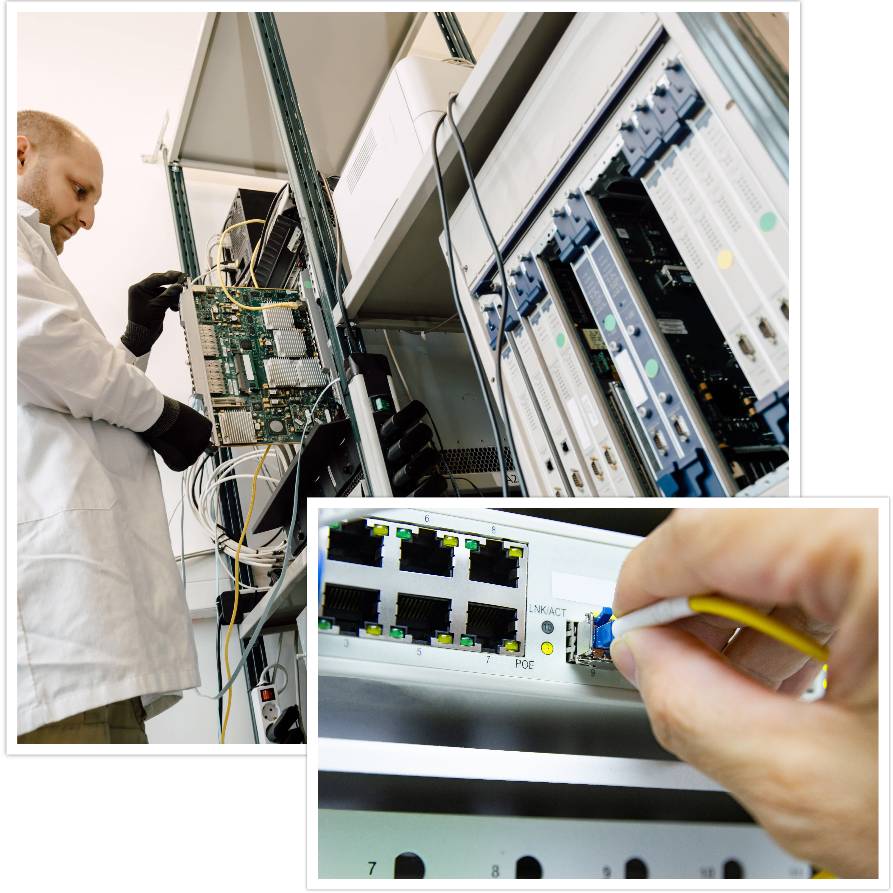
Open Network Switches and Their Function in Enhancing Network Scalability and Flexibility
Open network switches are developed to run without supplier restrictions, enabling companies to customize their networks according to particular requirements. Unlike conventional proprietary switches, these open systems provide compatibility with numerous hardware and software, making them a popular choice for business searching for scalable solutions.
Understanding Open Networking
Open networking is not simply a trend; it's a paradigm shift in how we see network architecture. By leveraging standardized protocols and open-source software application, companies can develop tailored options that improve efficiency, minimize costs, and improve functional efficiency.
Why Choose Open Network Switches?
Cost Efficiency: Open network switches typically have lower in advance costs compared to proprietary options. Vendor Independence: Organizations aren't locked into a single vendor's ecosystem. Customization: Tailor your network infrastructure to fulfill specific organizational needs.The Importance of Scalability
Scalability is the foundation of any successful IT infrastructure. It allows businesses to grow without considerable disruptions or overhauls of their existing systems.
How Do Open Network Changes Assist In Scalability?
- Modular Design: Many open network changes featured modular designs that permit easy upgrades. Integration with Cloud Services: They can effortlessly incorporate with cloud-based services, allowing companies to scale their resources up or down as required. High Port Density: These switches provide greater port density, permitting connections for additional devices without compromising on performance.
Flexibility in Networking Solutions
Flexibility is another vital quality of modern networks. With rapidly moving organization objectives and technological advancements, having a flexible facilities makes sure that organizations can pivot quickly.
The Flexible Nature of Open Network Switches
Support for Multiple Protocols: They support various networking procedures such as Ethernet, MPLS, etc, which boosts interoperability among different devices. Easy Setup Changes: Admins can rapidly customize settings to accommodate new requirements or workloads. Interoperability with Existing Systems: Organizations can incorporate open network changes into their existing environments without considerable modifications.Key Elements That Enhance Network Scalability
Fiber Optic Cables Supplier
When it comes to attaining ideal scalability and versatility in networking, fiber optic cables are important elements due to their high bandwidth capabilities and low latency.
Why Choose Fiber Optic Cables?
- Greater data transfer speeds compared to copper cables Resistance to electromagnetic interference Long-distance transmission capabilities
Compatible Optical Transceivers
Compatible optical transceivers enable seamless interaction in between different kinds of gadgets within the open network switch ecosystem.
Benefits of Using Compatible Optical Transceivers
Cost-effectiveness due to compatibility across numerous brands Enhanced performance through enhanced information transfer ratesEnterprise Networking Hardware
Having robust business networking hardware is crucial for supporting open network switches effectively.
What Makes Business Networking Hardware Different?
- Designed for high-performance environments High accessibility includes ensure very little downtime Scalable architecture supports development without jeopardizing quality
The Role of Telecom and Data-com Connectivity in Open Networking
Telecom and data-com connection play a crucial role in enhancing the efficiency of open network switches by making sure trustworthy interaction channels.
Telecom Connectivity Explained
Telecom connectivity describes the telecoms facilities that enable voice and data communication over long distances.
Importance of Telecom Connectivity
Enables better service delivery Facilitates real-time communicationData-com Connectivity Explained
Data-com connection focuses on transferring data over computer networks efficiently utilizing various innovations like TCP/IP protocols.
Importance of Data-com Connectivity
Ensures faster information transmission rates Supports several applications simultaneouslyCase Research studies Showing the Benefits of Open Network Switches
To truly comprehend the transformative power of open network switches, let's explore some case research studies highlighting their influence on organizations throughout numerous sectors.
1. Case Research Study: A Financial Institution
A leading financial institution embraced open network changes together with suitable optical transceivers from a credible fiber optic cables provider. The results were amazing-- a 40% decrease in functional costs while all at once improving system performance!
Key Takeaways
- Cost cost savings through vendor-independent solutions Enhanced information integrity by means of robust fiber optic connections
2. Case Research Study: An E-Commerce Giant
An e-commerce platform utilized modular design features provided by open network switches which allowed them rapid scaling throughout peak shopping seasons with no major infrastructural changes.
Key Takeaways
- Flexibility throughout crucial durations caused increased sales volume Modular styles significantly minimized setup times
FAQ Section
1. What are open network switches?
Open network https://www.google.com/maps/place/Network+Distributors/@37.370605,-121.889581,17z/data=!3m1!4b1!4m6!3m5!1s0x808fcb88e6184f63:0x3d2a8860c1c74896!8m2!3d37.370605!4d-121.889581!16s%2Fg%2F1vqth0g1?entry=ttu&g_ep=EgoyMDI1MDcyMy4wIKXMDSoASAFQAw%3D%3D switches are non-proprietary switching devices that enable users greater versatility by allowing customization based upon particular requirements rather than being restrained by vendor restrictions.
2. How do they enhance scalability?
They boost scalability through modular styles that help with easy upgrades, high port density for extra gadget connections, and smooth integration with cloud services.
3. Why utilize fiber optic cables?
Fiber optic cables provide higher bandwidth abilities and lower latency compared to standard copper cable televisions, making them ideal for high-performance networks.
4. What are compatible optical transceivers?
Compatible optical transceivers describe interchangeable modules used in networking equipment that facilitate interaction between various gadgets regardless of brand name constraints.
5. How does telecom connection enhance performance?
Telecom connection allows reputable voice and information communications over long distances while making sure low latency transmission rates important for real-time applications.
6. What is enterprise networking hardware?
Enterprise networking hardware includes innovative routers, firewalls, access points, and more developed particularly for high-performance environments needing dependability and scalability.
Conclusion
In summary, the significance of Open Network Switches and Their Function in Enhancing Network Scalability and Flexibility can not be overemphasized in today's vibrant technological landscape. As companies look for opportunities for development while minimizing expenses, adopting open networking concepts shows invaluable-- boosted by vital elements like fiber optic cables from trusted suppliers in addition to suitable optical transceivers that guarantee smooth operation across platforms.
Embracing this design not just prepares businesses for present demands however also strategically places them for future obstacles-- guaranteeing they remain competitive well into tomorrow's digital landscape!